- All products
- Single sided tapes
- Tissues
- Wire loom harness adhesive cotton fabric tape
- Tissues
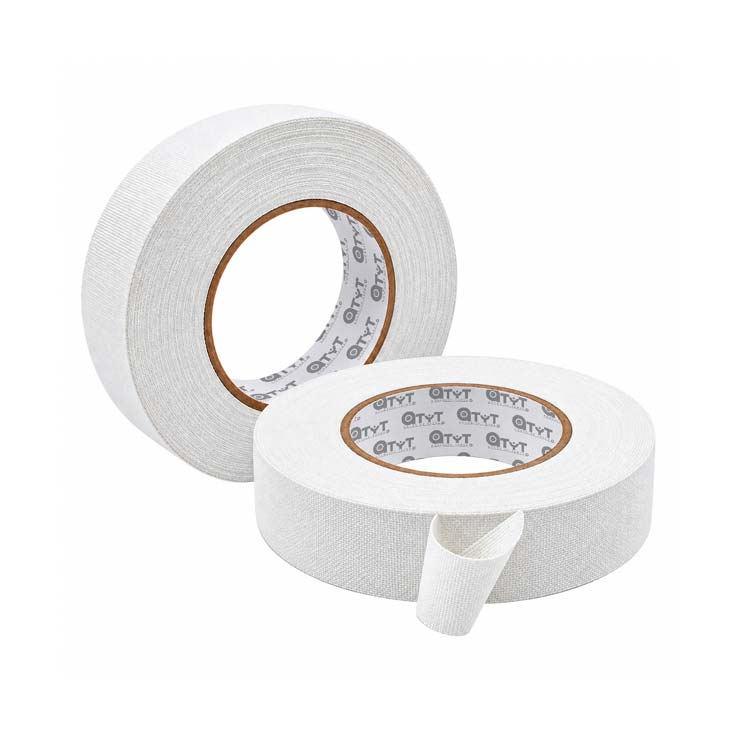
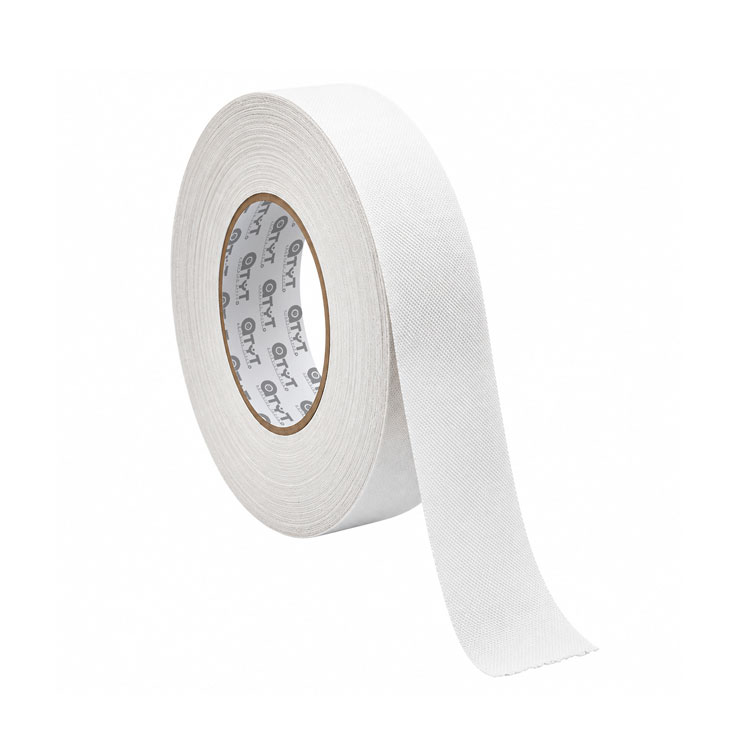
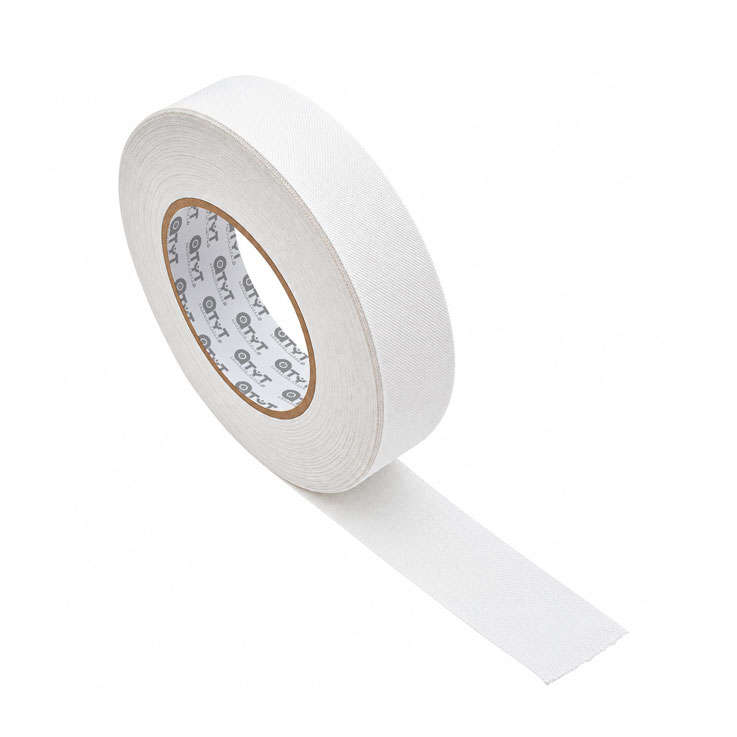
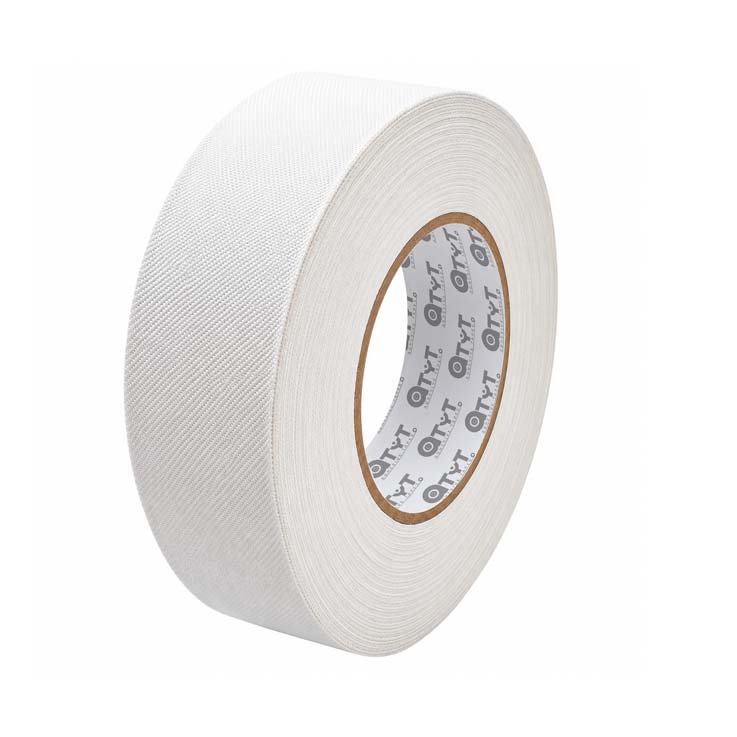
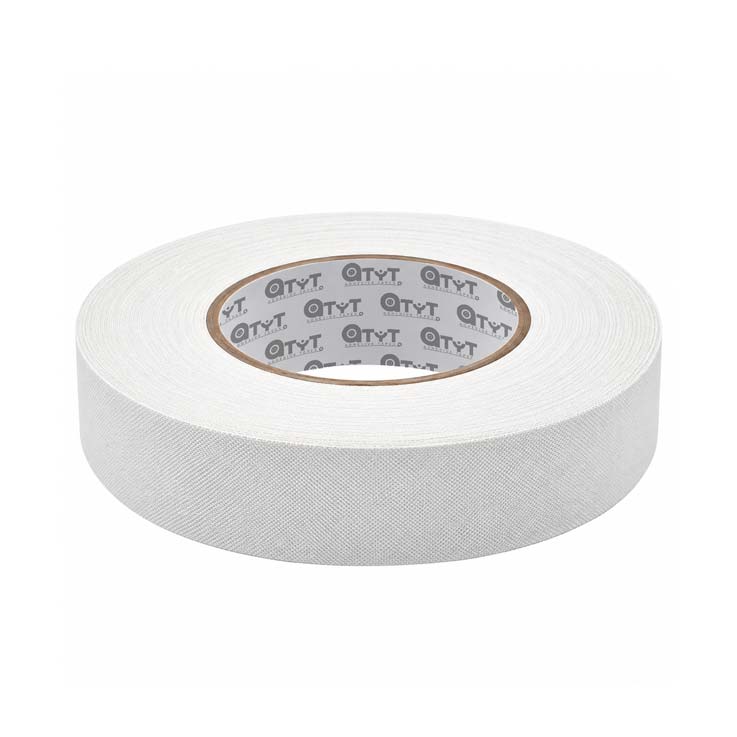
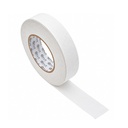
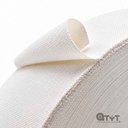
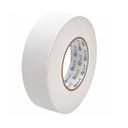
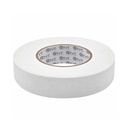
Wire loom harness adhesive cotton fabric tape
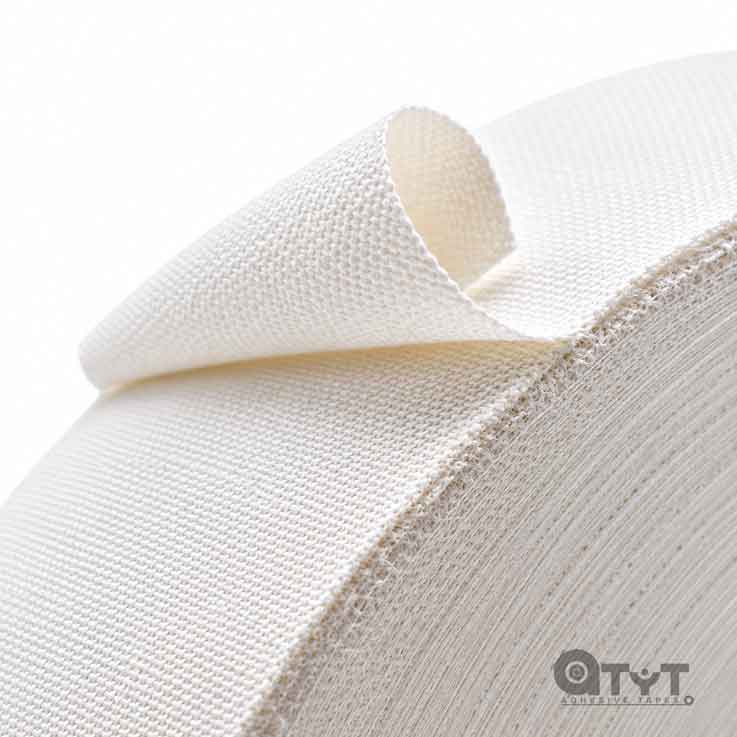
ATyT’s viscose fabric adhesive tape is a self-adhesive textile solution designed for the mechanical protection, bundling and securing of electrical cables. Made with a viscose (rayon) fabric backing and coated with a solvent-based natural rubber adhesive, it combines flexibility, strength and ease of handling for industrial wiring applications.
Especially suited as a viscose tape for electrical cables, it allows sets of conductors to be wrapped, cable harnesses to be organized, and certain areas exposed to friction to be reinforced. Its textile structure makes it easy to adapt to different diameters and routes, providing a flexible and durable wrap.
The rayon fabric tape has a total thickness of 500 µm and a tensile strength of 65 N/cm. These characteristics make it suitable as a protection and securing solution in assemblies where a textile tape is needed that can adapt to different geometries without making the wiring harder to handle.
In low- and medium-voltage cable applications, this tape can be used as an auxiliary element for bundling and external mechanical protection of cable sets, provided the installation conditions are compatible. It does not replace the electrical insulation of the conductors or the approved components needed to ensure the safety of the installation.
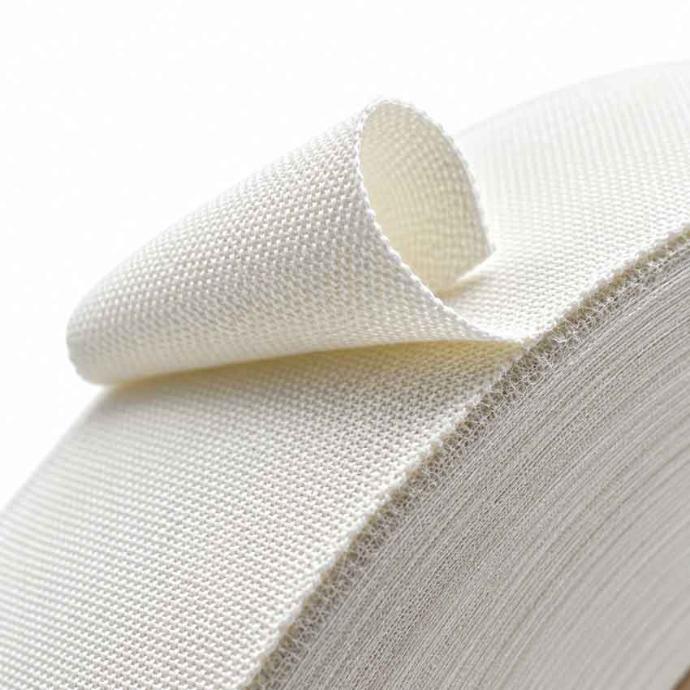
Thanks to its flexible backing, the tape for bundling electrical cables makes it easier to organize conductors during manufacturing, assembly and maintenance. Its natural rubber adhesive provides adhesion on compatible surfaces, while the fabric allows snug wraps that follow the route of the wiring.
The abrasion-resistant fabric tape helps protect cable harnesses against wear caused by contact with other components. In addition, its textile structure helps dampen noise caused by friction and vibration, a feature that is especially useful in industrial equipment and machinery.
Thanks to its adaptability, this conformable and durable viscose fabric adhesive tape is suitable for applications that require wrapping cables, following curves and keeping different conductors bundled together. Its ease of hand-tearing also speeds up installation work.
Within the electrical sector, this product may match certain searches for cotton fabric tape for cables and cotton tape for cable harnesses. However, it is important to distinguish between the two materials: this version uses a viscose (rayon) backing, so it should not be confused with a tape made entirely of cotton.
Its aging resistance and abrasion behavior make it well suited to indoor industrial applications. The technical data sheet states that the product is not UV resistant, so prolonged direct sun exposure should be avoided.
Thanks to its combination of flexibility, mechanical strength and ease of installation, ATyT’s viscose (rayon) fabric adhesive tape is a solution for cable harness manufacturers, electrical installers and industrial companies that need to protect, organize and secure sets of conductors.
ADHESIVE PROPERTIES | VALUES |
Total thickness | 500 μm |
Total weight | 175 g/m2 |
Tensile strength | 65 N/cm |
Elongation at break | 15 % |
Adhesion to steel | 2,5 N/cm |
Maximum temperature resistance | 80-90ºC |
Unwind tension | 3,92 N/cm |
Advantages That Make the Difference
- Mechanical protection of wiring: the viscose (rayon) fabric backing provides a durable wrap that helps protect cables against friction and abrasion during use in industrial equipment and installations.
- Flexibility and conformability: its textile structure adapts to different diameters, curves and wiring routes. This makes it easier to bundle conductors and to apply the tape in areas with irregular geometry.
- Bundling and organizing electrical cables: keeps different conductors together with a flexible wrap, making it easier to manufacture cable harnesses and carry out assembly and maintenance work.
- Noise dampening: the fabric structure helps reduce noise caused by contact and vibration of cable harnesses against other components.
- Good adhesion and manual application: the natural rubber adhesive provides adhesion on compatible surfaces, while the ability to tear the tape by hand makes it easier to handle during installation.
- Abrasion and aging resistance: its textile backing has suitable properties for mechanical protection applications in indoor environments, where wiring may be subject to movement and contact with other elements.
Application Conditions
To ensure optimal tape performance:
- Check that surfaces are clean, dry and free of dust, grease, oil or substances that could impair adhesion.
- Check beforehand that the natural rubber adhesive is compatible with the materials making up the wiring.
- Select the length of tape needed according to the diameter of the harness and the area to be protected.
- Apply the tape around the conductors while maintaining even tension, avoiding deformation or excessive compression of the wiring.
- Wrap with an overlap suited to the securing and mechanical protection requirements.
- Apply enough pressure during application to promote adhesion.
- Avoid direct and prolonged exposure to UV rays, as the product is not designed for these conditions.
- Check that working temperatures are compatible with the stated performance.
- In low- and medium-voltage electrical applications, make sure the tape is used only for functions compatible with the design and safety requirements of the installation.
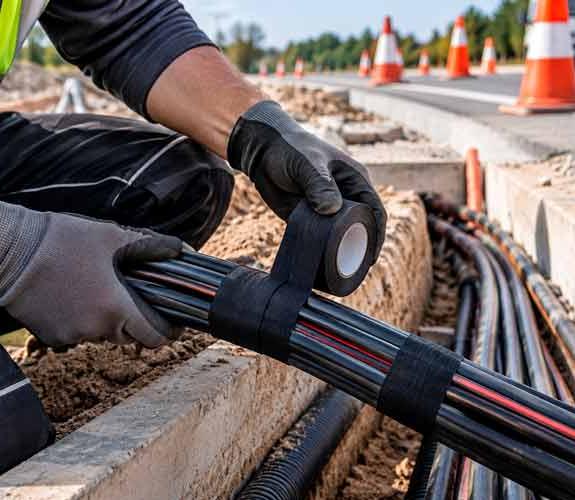
Viscose Tape for Electrical Cables: A Solution for Bundling and Protection Against Friction
A company specializing in the assembly of industrial electrical installations needed to improve the protection and organization of the cable harnesses used in its equipment. The main challenge was to reduce the wear caused by friction and to keep the conductors properly bundled, without making installation harder in spaces with curves and complex routes.
After analyzing the application, ATyT recommended using the viscose (rayon) fabric adhesive tape with natural rubber adhesive. Its flexibility and abrasion resistance allowed it to adapt to different diameters and geometries, providing a durable wrap for the mechanical protection of the wiring.
During assembly, operators used the viscose tape for electrical cables to wrap and bundle the conductors, applying it with even tension and a suitable overlap. Its ease of hand-tearing sped up the process and made it easy to adapt to the different cable harnesses.
The solution improved the organization of the wiring and provided additional protection against friction and vibration. Thanks to these benefits, the company adopted the tape for bundling electrical cables as an alternative for future industrial assembly and maintenance projects.
Frequently Asked Questions
Viscose fabric adhesive tape is used for the mechanical protection, bundling and securing of electrical cables. Its viscose (rayon) fabric backing provides flexibility and resistance to friction, making it easier to organize cable harnesses in industrial applications.
Yes, viscose tape for electrical cables can be used as an auxiliary element for bundling and external mechanical protection in certain low- and medium-voltage cable applications, as long as the installation design allows it. It does not replace electrical insulation or the certified components needed to ensure safety.
The main difference is the backing material. Rayon fabric tape uses viscose fibers, while a cotton tape uses natural cotton fibers. Although both can be used in cable bundling applications, their specific characteristics depend on the construction and formulation of each product.
Yes. The abrasion-resistant fabric tape helps protect cable harnesses against wear caused by contact with other components. Its textile backing provides an additional mechanical barrier in compatible applications.
Yes. The tape for bundling electrical cables allows different conductors to be wrapped and held together during the manufacture and assembly of cable harnesses. Its flexibility makes it easy to adapt to different diameters and routes.
Yes. The conformable and durable viscose fabric adhesive tape can adapt to curves, different diameters and irregular geometries. This makes it easier to apply on cable sets that need a flexible wrap.
Yes. Its textile structure can help dampen noise caused by contact and vibration of cable harnesses against other components. This property is especially useful in industrial equipment and machinery.
The technical data sheet states a maximum temperature resistance of 80–90 °C for one-hour cycles. This value should not be interpreted as a continuous service temperature. It is advisable to check the actual thermal conditions of each application.
More than 1,500 customers have already placed their trust in ATyT.
Do you want to offer adhesive solutions that are up to the task of your projects?
Contact our technical team, and we’ll help you choose the adhesive tape that best suits your needs.
Select Your Country


